Sustainable gardening, explained as workable defaults
Sustainability in gardening is rarely one big decision. It is a handful of repeatable habits: keeping nutrients cycling on-site, reducing wasteful inputs, watering with intention, and protecting soil structure. This page summarises the approach used across the wejpirelxo course, with practical terms like mulch layer depth, compost maturity, and integrated pest management (IPM) so the choices stay grounded.
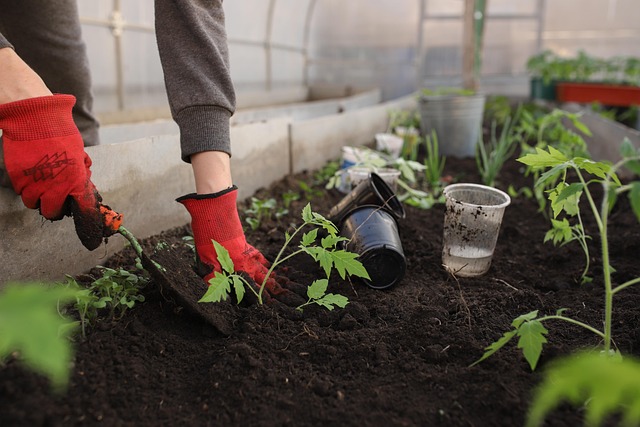
What “sustainable” means in practice
Sustainability can become vague when it is framed as a label rather than a routine. In this course, it is defined as doing more with less: reducing external inputs, improving soil tilth, and keeping interventions targeted. Instead of big overhauls, we focus on measurable actions such as mulch thickness, compost maturity, watering depth, and timing windows for pruning and feeding. The goal is stability: fewer panic purchases, fewer reactive treatments, and more consistent plant growth.
The practical baseline is simple: protect soil structure (avoid compaction, especially when wet), increase organic matter steadily, and use observation to decide when intervention is necessary. That is the logic behind IPM-style pest routines, peat reduction, and water efficiency. Over time, these defaults tend to reduce waste because the garden needs fewer corrective fixes.
Soil structure and tilth
A garden with stable structure needs less constant attention. We cover drainage, aggregate stability, and how compaction changes root oxygen and water movement. Expect simple tests and clear “stop doing this” rules for wet soil.
Peat reduction
We explain where peat shows up in common products, how to read bag labels, and how to adjust watering when switching to peat-free mixes. You will also learn when adding compost is appropriate and when it creates density.
Water efficiency
Sustainable watering is mostly timing and depth. Learn the difference between surface wetting and deep watering, how mulch moderates evaporation, and how to use shade and windbreak logic during heat weeks.
IPM-style pest routines
You will learn how to scout on a schedule, set thresholds for action, and choose mechanical and cultural controls first. This reduces broad spraying and encourages beneficial insects through habitat choices.
Composting that stays simple
Composting works when it is boring and consistent. We cover carbon-to-nitrogen balance, moisture level, and how to recognise when compost is mature enough to use without stressing plants.
Seasonal timing reduces waste
Many “sustainability” problems are really timing problems: feeding when plants cannot use it, pruning at the wrong window, or watering shallowly during heat. The course uses a seasonal calendar so tasks are done once, at the right moment, with fewer repeat interventions.
A low-waste workflow you can repeat
The fastest way to make sustainability real is to treat it as a workflow. A workflow gives you a sequence: observe, decide, do the smallest effective action, then record one note so next week is easier. This is how we teach integrated pest management (IPM), water efficiency, and soil improvement without turning gardening into constant tinkering.
In practice, it looks like a short weekly scan plus a longer monthly check. Weekly, you look for moisture level, new growth, and any pest activity. Monthly, you review mulch depth, compost readiness, and seasonal task windows. The rule is to avoid “preventative overdoing”: unnecessary feeding, unnecessary chemical controls, and frequent soil disturbance. Small, consistent actions tend to be both more sustainable and more reliable.
-
01
Observe
Check moisture depth, leaf cues, and pest presence. Record one sentence: what changed since last week. Observation is the “input” that prevents waste later.
-
02
Choose the smallest effective action
Start with cultural and mechanical steps: adjust watering, improve airflow, remove affected leaves, add barriers, or correct spacing. Escalate only when a threshold is reached.
-
03
Stabilise with mulch and compost
Use a consistent mulch layer and add compost when timing and maturity are right. The goal is a steadier moisture curve and fewer nutrient swings, not constant feeding.
-
04
Review by season
Use timing windows to decide what belongs in the current month. This is where sustainability becomes visible: fewer repeat tasks, fewer inputs, and better plant resilience.
Common sustainability questions we teach clearly
Many gardeners want to improve sustainability but get stuck on conflicting advice. The course focuses on decision tools: how to read a compost pile, how to choose peat-free mixes, and how to decide whether a pest issue needs intervention. The aim is to replace “internet consensus” with a consistent method you can apply in your own microclimate.
A useful way to think about it: sustainability is not a separate topic from plant health. A stable soil moisture curve, a sensible watering cadence, and a measured feeding approach usually reduce waste at the same time. The sections below are a preview of how we answer these questions in lessons.

What is the simplest compost routine that works?
Keep it small and consistent: alternate carbon-rich “browns” (dry leaves, torn cardboard) with nitrogen-rich “greens” (fresh plant trimmings), keep the pile damp like a wrung sponge, and turn when the centre cools. In the course, we also cover compost maturity cues so you avoid using unfinished material that can tie up nitrogen.
How do I switch to peat-free mixes without problems?
Expect different water behaviour. Many peat-free mixes drain differently and can dry faster at the surface. We teach a depth-based moisture check, plus how to add structure (not just “more compost”) so containers do not become dense. Timing matters too: changes are easiest during repotting windows rather than mid-stress.
What does “water deeply” mean for containers?
It means watering until the full root zone is moistened and a small amount drains through, then letting the upper layer dry slightly before the next watering. The course explains how pot size, wind exposure, and mulch affect evaporation, and how to avoid the common pattern of frequent, shallow watering.
How do you approach pests without heavy treatments?
Start with IPM basics: identify the pest, decide whether the level is actually harmful, then use low-impact controls first (hand removal, barriers, airflow adjustments, pruning hygiene). We also cover beneficial insect habitat and why observation timing is more useful than guessing from a single leaf.
Do sustainable choices change the seasonal maintenance plan?
Yes, mostly by reducing the amount of “emergency” work. A stable mulch layer, measured compost use, and better watering depth usually lead to fewer mid-season rescues. The course builds a calendar around timing windows so interventions happen once, at the right point, instead of repeatedly.
How is my data used if I register interest?
We use your details to reply with cohort dates and course information. Analytics and marketing cookies only activate after consent. You can read more in our Privacy Policy and adjust cookie settings any time from the footer.
Disclaimer
Content is provided for educational purposes only and should not be considered professional agricultural advice.
Want the full sustainable routine and module plan?
Register interest to receive the next cohort dates, a complete module outline, and a short sustainability starter list (compost, peat-free, watering, and biodiversity). We reply within 1 business day and we do not sell your data.
- A peat-free and composting decision checklist
- A simple IPM scouting routine you can print
- Seasonal timing notes for low-waste maintenance
Registration form
Share an email address and optional notes about your space. If you prefer, contact us directly at [email protected].