Learn practical gardening from soil to seasonal routines
wejpirelxo teaches modern, sustainable gardening skills with clear lessons and hands-on practice plans. The course covers plant care, garden planning, soil management, seasonal maintenance, landscaping basics, and low-waste habits that fit real outdoor spaces.
Watering cycles, light, pruning cuts, and pest observation.
Texture, organic matter, mulches, and simple amendments.
Week-by-week maintenance plans for spring through winter.
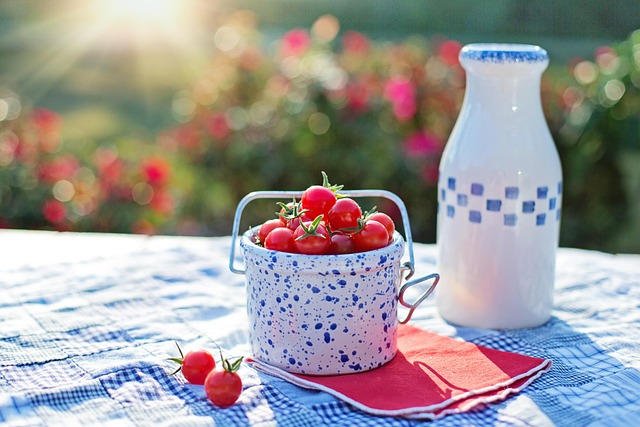
What the course covers
Gardening looks simple until timing and soil start to matter. A healthy bed is usually the result of small, consistent actions: managing moisture, reading leaf cues, improving structure, and picking the right tasks for the season. This training is built as a set of repeatable workflows rather than a collection of tips. You will learn how to set a baseline (light, exposure, and drainage), build a simple planting plan that matches your available time, and choose soil improvements that make sense for container, raised bed, or in-ground setups.
Lessons include core plant care (watering cadence, pruning hygiene, and basic integrated pest management), garden planning (bed layout, spacing, succession planting, and maintenance access), and soil management (texture, organic matter, compost maturity, mulches, and pH as a decision tool). Seasonal maintenance is treated as a calendar: spring setup, summer stress management, autumn soil-building, and winter protection. Landscaping basics focus on structure—edges, paths, and simple hardscape choices—so the garden stays manageable.
Sustainability is practical here: water efficiency, reducing peat-based inputs, supporting beneficial insects, and keeping nutrient cycles on-site where possible. The goal is confidence through a methodical routine, not perfection.
Benefits you can use immediately
Each module ends with a simple practice plan: short tasks you can repeat weekly, plus a seasonal checklist you can keep near your tools. Expect fewer “what do I do now?” moments and more steady progress.
A repeatable care routine
Build a weekly cadence: moisture check, visual scan, deadheading, and the small adjustments that prevent larger problems. You will learn how to log observations without turning the garden into homework.
Planning that stays realistic
Layout, spacing, and access paths that make maintenance easier, not harder.
Soil decisions you can justify
Understand texture, drainage, and organic matter so amendments are targeted.
Water efficiency without gadgets
Learn when to water, how deep to water, and how to use mulch and shade to reduce summer stress. We cover containers, raised beds, and in-ground watering differences.
Observation-based pest control
Integrated pest management basics: thresholds, barriers, and beneficial insects.
How it works
The course is structured so you can keep moving even when the weather changes. Each step includes a short checkpoint so you know what “done” looks like before you go to the next module.
-
01
Baseline your space
Map light and exposure, note wind and drainage, and identify the “easy wins” that improve the space quickly. You will also choose a small project to apply lessons as you go.
-
02
Build the plan
Draft a simple bed layout and plant list that respects spacing and maintenance access. We cover succession planting and practical grouping by water needs.
-
03
Strengthen soil
Learn how compost maturity and mulch thickness change moisture and nutrient availability. You will set a simple amendment plan that avoids over-feeding.
-
04
Maintain by season
Use a seasonal calendar for pruning windows, feeding, watering adjustments, and winter protection. The goal is fewer reactive fixes and more steady care.
Curriculum overview
The curriculum is organized around the decisions gardeners actually make: where to place plants, how to improve soil without chasing products, and how to time maintenance. Each module includes a short “field note” section so you can recognize common signals—wilting patterns, nutrient stress cues, and pest damage—without guessing.
Module 1: Site & light
Exposure, microclimates, and simple mapping. Learn how light changes across seasons and why “full sun” behaves differently in containers versus open beds.
Module 2: Planning & layout
Bed geometry, spacing, and access. We cover crop rotation principles at a hobby scale and why edge design is unglamorous but decisive.
Module 3: Soil structure
Texture, tilth, drainage, and organic matter. Learn how to choose compost, when to use mulch, and how to avoid compacting wet soil.
Module 4: Watering & stress
Root depth, evaporation, and watering frequency. We cover how to water for establishment versus maintenance, and how to use mulch as a stabilizer.
Module 5: Pruning & hygiene
Tool care, clean cuts, and timing. Learn why pruning windows matter and how to reduce disease pressure with simple routines.
Module 6: Pest observation
Integrated pest management basics: scouting, thresholds, mechanical controls, and encouraging beneficial insects through habitat choices.
Learning outcomes
By the end of the programme, participants should be able to explain their choices and repeat the same care steps week after week. The outcomes below are written as practical abilities, not vague goals.
Diagnose common stress signals
Recognize patterns like midday wilt, leaf scorch, or uneven growth and connect them to light, water depth, and soil structure rather than quick fixes.
Create a maintainable garden plan
Produce a simple layout with spacing and access considered. You will know how to group plants by water needs and avoid crowded planting.
Choose soil improvements with intent
Explain when compost, mulch, or aeration makes sense, and how to avoid over-amending. Learn the practical meaning of drainage and tilth.
Run an IPM-style observation routine
Use a scouting checklist, set thresholds for action, and apply low-impact controls first. The focus is prevention and early detection.
Build a seasonal maintenance calendar
Plan tasks by window: pruning, feeding, transplanting, and winter protection. You will know what can wait and what cannot.
Apply sustainable defaults
Reduce peat-heavy inputs, manage water efficiently, and support biodiversity with small habitat decisions that fit a typical garden routine.
Disclaimer
Content is provided for educational purposes only and should not be considered professional agricultural advice.
About wejpirelxo
wejpirelxo is a training brand created to make gardening less mysterious and more repeatable. The course content is written to match real constraints: small outdoor spaces, inconsistent weather, and limited time. Instead of chasing perfect aesthetics, we teach the underlying mechanics—soil structure, moisture, timing, and observation—so decisions feel grounded.
Wejpirelxo Learning GmbH was founded in 2019 with a simple aim: translate practical horticulture into clear routines people can follow without specialist equipment. The teaching style is calm and methodical. Expect checklists, seasonal calendars, and examples that connect cause and effect (for instance, why compacted soil changes watering outcomes, or how mulch thickness alters evaporation).
A calm learning environment, outdoors-first
Good gardening education should feel like a well-organized tool shed: everything has a place, nothing is noisy, and the essentials are easy to reach. That is the logic behind our lesson design. We teach using plain language, but we do not avoid technical detail when it helps you make better decisions. You will see terms like “mulch layer,” “soil texture,” and “succession planting,” then apply them with simple steps.
Each cohort includes short reading segments and practice tasks that fit between everyday responsibilities. The course is suitable for balcony growers, allotments, and small gardens. If you want a deeper dive into sustainability, the Sustainable Gardening page outlines how we approach composting, peat reduction, water efficiency, and biodiversity.

What participants say
Feedback tends to focus on clarity and routines: people appreciate knowing what to do next, and why. These quotes are representative of typical comments we receive after cohorts.
“The seasonal calendar was the turning point. Instead of guessing, I now have a short list for each month. The module on mulch thickness and watering depth finally made container care predictable.”
“I liked that the planning unit was honest about maintenance access. I rebuilt one bed with a narrower width and it instantly became easier to weed and water without stepping on the soil.”
“The soil module was methodical without being intimidating. I stopped buying random bags and started adding compost in a measured way, then tracking moisture and plant response. That steady approach is what I needed.”
Mini case study: Balcony herb system
Problem: inconsistent watering and crowded pots led to recurring stress. Approach: re-planned spacing, added a mulch layer, and introduced a simple moisture-check routine. Outcome: plants stabilized within the season and maintenance time dropped to a short weekly routine.
Mini case study: Small raised bed refresh
Problem: compacted soil and uneven growth across a bed. Approach: focused on texture, added compost at a controlled rate, and rebuilt the edge to improve access. Outcome: easier weeding and more uniform moisture, with clearer seasonal tasks.
Ready to learn with a clear plan?
Register interest to receive the next cohort dates, the full curriculum outline, and a short checklist to prepare your space. We will reply within 1 business day and we do not sell your data.
- Cohort schedule and learning format details
- A printable seasonal maintenance starter list
- Guidance on choosing a practice project (bed, container, or corner refresh)
Registration form
Share an email address and optional notes about your garden. If you prefer, you can contact us directly at [email protected].
FAQ
Common questions about the course structure, sustainability topics, and how registration works.
Do I need prior gardening experience?
No. We start with baseline skills: light, drainage, watering depth, and simple planning. More experienced gardeners often use the course to make routines more consistent and reduce guesswork around seasonal timing.
What kinds of spaces does the course support?
The guidance applies to balcony containers, raised beds, and in-ground gardens. The planning module includes maintenance access and spacing so small spaces remain workable rather than crowded.
Is the course focused on vegetables, ornamentals, or both?
Both. The underlying mechanics—soil structure, moisture management, pruning hygiene, and observation—apply across plant types. Examples include herbs, flowering perennials, and small productive beds.
What does “sustainable gardening” mean in this course?
It means practical defaults: composting where possible, reducing peat-based inputs, using mulch for moisture stability, choosing targeted amendments, and encouraging beneficial insects. Sustainability is treated as a set of small choices that fit everyday routines.
How do you handle my data when I register interest?
We use your details to respond to your request and share cohort information. Analytics and marketing cookies only activate after consent. You can review details in our Privacy Policy and manage cookies at any time from the footer.
Can I contact you without using the form?
Yes. Email [email protected] or call +420 212 242 186. For location details, see Contact.